

Waterproofing is a critical consideration for homeowners and landlords alike, yet it often falls to the side until the harm is done. With the threat of water infiltration posing a serious threat to the integrity of structures, understanding the importance of waterproofing becomes essential. Whether you are looking to protect your home from flooding or simply want to prevent fungus growth in your cellar, the appropriate waterproofing solutions can save you a lot in repairs and ensure a safe living environment.
However, when it comes to executing waterproofing projects, many people find themselves torn between DIY approaches and hiring specialized services. Each option carries its own set of advantages and limitations. In this article, we will explore the key factors to consider when choosing between a do-it-yourself method and enlisting the help of a expert waterproofing contractor. By outlining essential waterproofing strategies and dispelling common fallacies, we aim to provide you with the information necessary to make an educated decision that best suits your needs.
Understanding the Importance of Water Resistance
Waterproofing is an integral aspect of maintaining any house or edifice, as it safeguards buildings from the harmful effects of moisture penetration. Water can permeate into basements, walls, and ceilings, causing substantial damage over time. By utilizing proficient moisture-proofing strategies, building owners can prevent issues like mold growth, building decay, and costly repairs down the line. This preventive approach not only preserves the physical integrity of a property but also enhances its overall worth and lifespan.
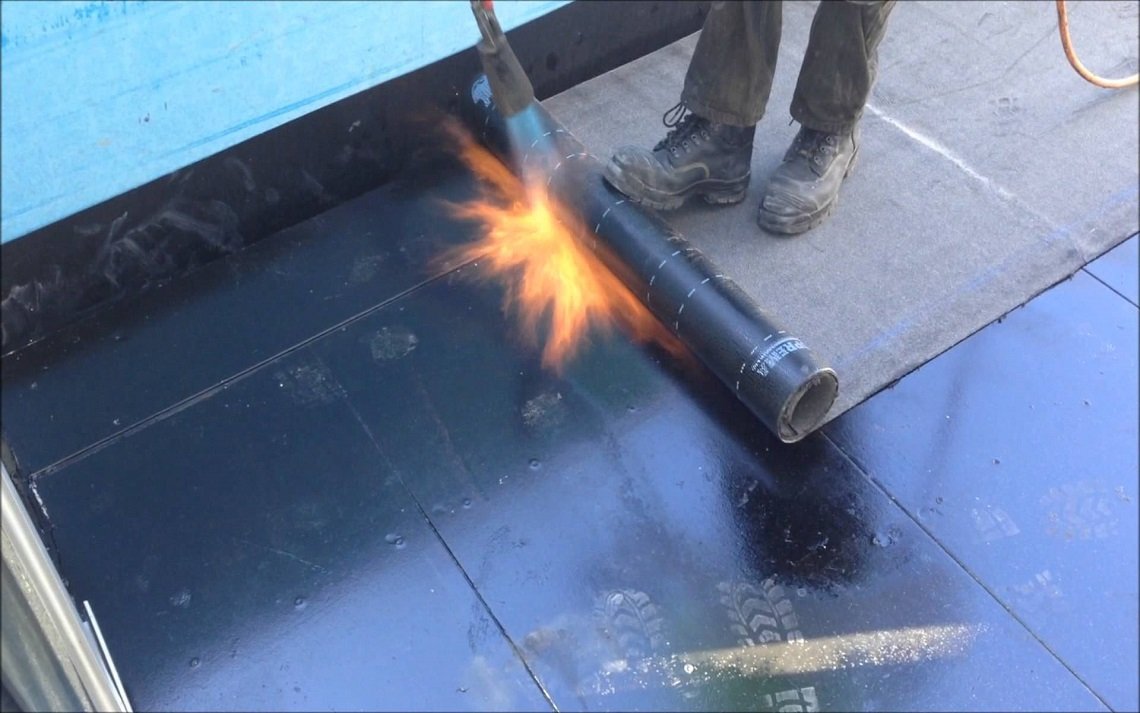
Neglecting waterproofing can lead to severe consequences. Many homeowners do not realize the extent of damage that water can cause until it is past the point of no return. Indicators such as musty odors, changed wall colors, or wet basements should not be ignored, as they may signal underlying issues that require urgent attention. The financial impact of disregarding these red flags can be significant, making it essential for building owners to understand the necessity of prompt waterproofing interventions to avoid greater expenses in the time to come.
Additionally, waterproofing is not just about safeguarding buildings; it also contributes to better living environments. Too much moisture can lead to the growth of mold, posing significant health risks to inhabitants. By ensuring that homes are properly waterproofed, not only are structural damages prevented, but the overall environment and comfort within the property get better. Consequently, picking the best water resistance strategies is vital for both security and coziness, emphasizing the importance of this vital task.
DIY vs. Expert Waterproofing: Choosing the Right Choice
When it comes to waterproofing your home or property, you may discover yourself weighing the options between DIY methods and hiring professionals. One of the main benefits of a DIY approach is cost savings. Get more information feel assured in tackling waterproofing projects themselves, especially with the plethora of online resources and products at hand. If you have some fundamental skills and the right materials, you can handle small issues, like fixing cracks or putting on waterproof coatings. Nonetheless, it's crucial to keep in mind that not all waterproofing jobs are suitable for a DIY approach, and errors can lead to major water damage down the line.
Conversely, professional waterproofing services offer expertise and a guarantee of quality work. Experienced contractors have the expertise and unique tools necessary to address complex waterproofing issues effectively. They can assess your property's unique needs and recommend tailored solutions that might not be evident to an untrained eye. Additionally, professional waterproofing often comes with guarantees, which provide peace of mind knowing that any future issues related to the work done will be covered.
Ultimately, the choice between DIY and professional waterproofing depends on the seriousness of the problem and your level of skill. For small, manageable tasks, a DIY approach may suffice. On the contrary, for larger projects or critical issues, investing in professional services can save you effort, effort, and potentially significant repair costs in the future. Assessing your capabilities and the particular needs of your property will guide you toward the most effective choice for efficient waterproofing.
Key Water-proofing Methods for Homeowners
Homeowners can utilize several successful waterproofing methods to shield their homes from moisture damage. One of the most important measures is ensuring proper drainage around the base. This involves sloping the landscape away from the home to channel rain away from the home, as well as setting up gutters and downspouts to manage roof runoff. Regularly cleaning these systems helps avoid blockages that could lead to standing water near the foundation, significantly reducing the risk of leaks and construction damage.
Another crucial technique is applying waterproof coatings to both interior and exterior surfaces. Using premium sealants on basement walls and floors helps create a shield against moisture infiltration. For outdoor walls, select suitable paint or membrane systems designed for waterproofing, ensuring that you cover all vulnerable areas thoroughly. Additionally, homeowners should always treat any cracks and gaps in their walls and foundations to halt water seepage before applying these coatings.
In conclusion, ensuring a humidity-controlled environment inside is essential for avoiding mold and mildew growth. Property owners should consider investing in dehumidifiers, especially in basements and crawl spaces where moisture tends to gather. Frequently inspecting and sealing areas prone to leaks, such as around windows and doors, also plays a key role in keeping indoor spaces water-free. By merging these techniques, property owners can protect their properties and enhance their durability against water damage.