

Within metropolitan settings, in which space is at a premium level and the weather can be harsh, effective waterproofing approaches are vital for maintaining the integrity of homes. Water leakage not only threatens the architectural soundness of properties but also leads to a host of costly issues, ranging from fungal growth to base damage. As a homeowner, grasping the significance of complete waterproofing strategies can save you thousands in repair costs and ensure your living environment remains safe and cozy.
This article discusses innovative waterproofing techniques designed for city homes, immersing into the basics of why waterproofing is necessary and what you ought to understand to safeguard your home. We will debunk common misconceptions, highlight signs that your home might demand urgent care, and guide you through both DIY solutions and expert options. Whether it's protecting your basement from flooding or making sure your roof is ready to tackle the weather, we've got you supported with the definitive guide to modern waterproofing methods.
An Essentials of Moisture Protection: The Overview
Waterproofing is a critical procedure for protecting properties and buildings from water damage. It entails methods and materials designed to stop water intrusion, thereby protecting structural integrity and enhancing overall strength. https://meier-clay-3.hubstack.net/the-importance-of-moisture-control-is-considered-essential-to-basements can lead to serious issues like mold growth, foundation damage, and costly repairs. Comprehending the need of waterproofing is the first step towards maintaining a secure and healthy living environment.
The method of waterproofing varies depending on the area and requirements of a building. leaky basement that commonly require attention include basements, ceilings, exteriors, and outdoor structures. Every area has distinct considerations and issues that must be tackled to successfully stop water from penetrating. This makes it crucial to assess the individual needs of a home and apply specific waterproofing strategies.
Putting money in waterproofing doesn't just protect a home but also adds to its energy efficiency. Proper waterproofing can improve thermal insulation, lower heating and cooling expenses, and promote healthier indoor air quality by reducing humidity problems. Evidently, waterproofing is more than just a preventive measure—it is an integral aspect of prudent property management that can save money and improve the living conditions for occupants.
Comparative Analysis: Do-It-Yourself vs. Professional Moisture Protection
When evaluating waterproofing options, property owners often consider the pros of tackling the project themselves against contracting professionals. DIY waterproofing can be appealing due to possible cost savings and the satisfaction of finishing a project independently. Many homeowners find success in limited areas, such as bathrooms or decks, using readily available waterproofing products. However, this approach requires a substantial investment of time and effort, along with a desire to understand the details of proper techniques to avoid common mistakes that could lead to insufficient protection.
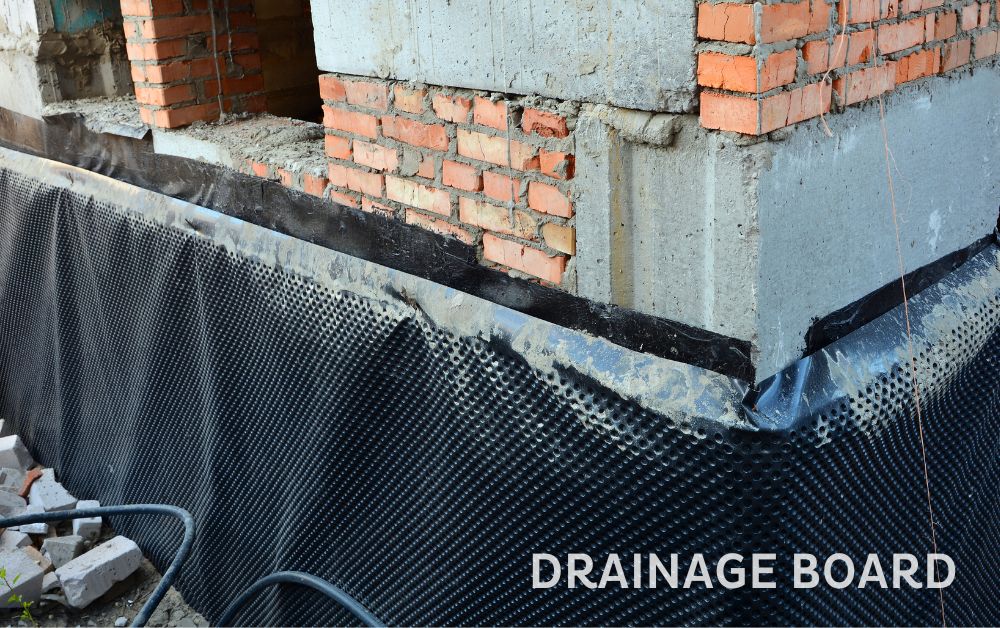
On the flip side, expert waterproofing solutions bring expertise and skill to the table. Professionals are typically well-versed in various waterproofing techniques and products, ensuring the job is done effectively and efficiently. They can accurately assess the specific needs of your property, identify potential issues, and implement thorough solutions that Do-It-Yourself approaches might miss. Although this choice involves elevated initial costs, it may save property owners from expensive repairs down the line due to water damage that resulted from improper installation.
Finally, the choice between DIY and professional waterproofing hinges on factors such as the complexity of the job, the property owner's skill level, and their budget. For small repairs or upkeep, DIY methods might suffice, but for larger scale projects or areas prone to significant water intrusion, investing in professional services could provide greater peace of mind and long-lasting results. Choosing the appropriate approach is essential to ensuring optimal protection against water damage for city homes.
Long-Term Benefits of Effective Moisture-Proofing Methods
Investing in effective moisture-proofing methods provides a variety of lasting advantages for city residences and structures. One of the key benefits is the avoidance of expensive moisture damage restorations. Excess moisture can lead to structural integrity issues, mold growth, and damage to belongings, which can build up over the years. By tackling waterproofing effectively, homeowners can retain thousands of money that would otherwise be spent on major restoration work and rehabilitation.
An additional crucial benefit of proper waterproofing is the increase of property worth. You can find out more and buildings that are properly kept and void of water damage are more appealing to potential purchasers. A building with sound waterproofing practices in effect indicates to purchasers that the structure has been cared for, making it more probable to retain its worth or even appreciate over the years. This is particularly important in highly competitive urban markets where first impressions can greatly influence sale prices.
Effective waterproofing strategies also play a role to improved energy performance. Water and water intrusion can diminish insulation, resulting to increased heating costs and cooling costs. By stopping water ingress and ensuring a moisture-free environment, waterproofing helps to optimize a building's energy performance. This not only reduces utility costs but also supports environmentally friendly practices, aligning with the growing focus on sustainable building and property upkeep.