

Waterproofing is a crucial aspect of house and construction maintenance that often gets overlooked until it's too late. As DIY enthusiasts, we take satisfaction in addressing DIY projects that enhance the security and longevity of our homes. Understanding waterproofing is important not just for stopping costly repairs but also for creating a comfortable place to live. Whether it's your lower level, ceiling, or exteriors, the right waterproofing techniques can protect you thousands of bucks and safeguard your investment.
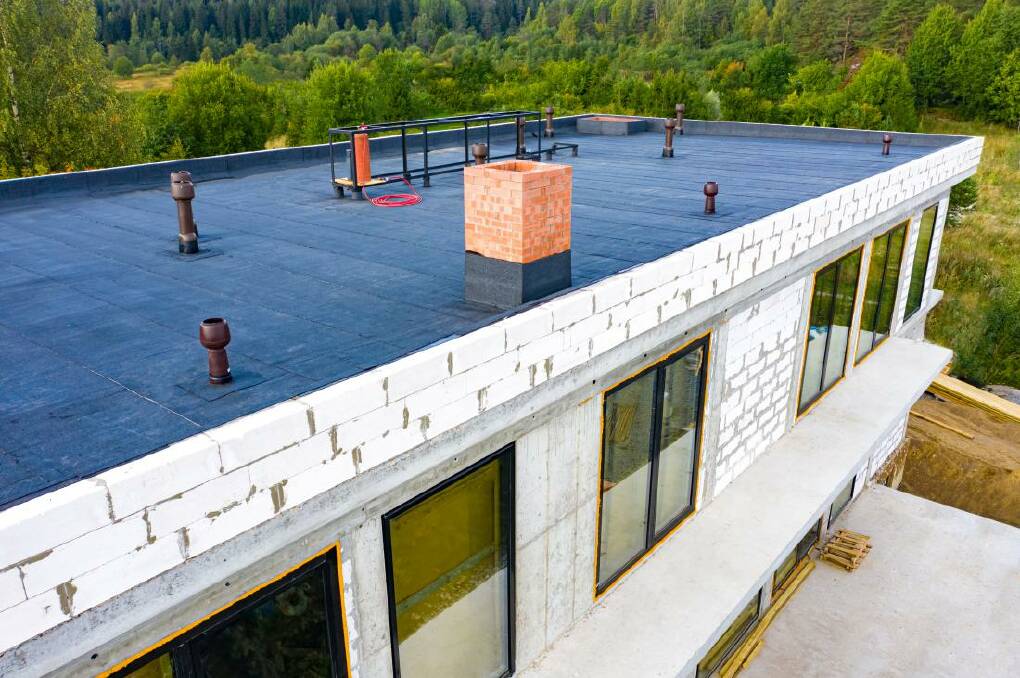
In this handbook, we will explore all you need you need to know about waterproofing, including common myths, the necessity of various applications, and the signs showing that your property may need waterproofing. We will also investigate the DIY versus expert approaches, providing you with the insights to make educated decisions that best suit your needs and budget. Let's gear up and ensure our homes continue dry and safe for a long time to come.
The Value of Moisture Protection
Moisture proofing is crucial for every home and building as it offers a robust protection against water damage, which can lead to significant repairs and construction issues over time. High levels of moisture can deteriorate foundations, foster mold growth, and damage interior finishes. By implementing proper waterproofing measures, homeowners not only safeguard their homes but also ensure a more conducive living environment devoid of harmful mold and mildew.
Ignoring the need for waterproofing can lead to expensive repairs that far outweigh the first investment in preventive measures. Water damage can jeopardize the integrity of a building, leading to grave issues such as decaying wood, corroding metals, and ugly stains on walls and ceilings. By diligently waterproofing various areas, such as basements, roofs, and bathrooms, property owners significantly reduce their long-term repair costs and enhance their overall property value.
Additionally, waterproofing plays a vital role in energy efficiency. A properly sealed building decreases drafts and stops water intrusion, which can cause higher energy bills. In eco-friendly construction, efficient waterproofing contributes to a building's longevity and ability against weather-related challenges. Investing in waterproofing solutions is not merely a defensive strategy; it is a forward-thinking approach to maintaining the value and functionality of any property.
DIY Waterproofing Techniques
A highly effective DIY waterproofing techniques is utilizing a waterproof sealant to your cellar walls. Commence by cleaning the surface meticulously to remove any dirt, residue, or old paint. After the surface is clean and dry, apply a top-notch waterproofing sealant with a application tool. This will form a barrier that prevents moisture from penetrating the walls, thus reducing the risk of mildew growth and water damage. Don't neglect to pay extra attention to any gaps or seams, as these areas are often the most vulnerable.
Another useful technique is to focus on proper drainage around your property. Ensure that gutters and downspouts are operational correctly and directing water away from your foundation. You can also set up a French drain or improve the grading of your yard to promote better water flow. By guiding rainwater away from your home, you greatly reduce the pressure on your foundation and lower the chances of water leaking in. Consistent maintenance of your drainage systems is key to ensure continuous protection.
Finally, think about waterproofing your outdoor spaces, such as decks and patios. Using a waterproof coating can increase the life of these areas and protect against water damage. Look for products specifically created for outdoor use, and ensure the surface is clean and dry before application. By taking these preemptive steps, you can protect your investment and create a more durable living space, all while efficiently engaging in DIY waterproofing.
Selecting the Appropriate Waterproofing Options
Choosing the right waterproofing solution for your house relies on multiple factors, including the specific areas needing protection, the local climate, and your budget. It's crucial to first checking the most vulnerable areas, such as cellars, bathrooms, roofs, and foundations. Each area might require various products and techniques to properly prevent water intrusion and damage. Knowing the different types of waterproofing systems on the market, such as interior vs. exterior solutions, will guide you in making the best choice for your requirements.
Once you have recognized the areas of concern, explore the different waterproofing products on the market. Look for more info , membranes, sealants, and additives that fit your specific requirements. It's important to take into account the longevity and effectiveness of these products, as well as any available warranties. User reviews and professional recommendations can provide valuable insight into the effectiveness of different waterproofing solutions. Don't hesitate to consult professionals if you are uncertain about the best option for your needs.
Finally, think about whether a DIY approach or hiring a professional is the right path for your waterproofing project. While DIY solutions can reduce money and give you hands-on experience, they may not always yield the best results, especially for larger or more complicated jobs. On the other hand, professional services can ensure a thorough application and compliance with local building codes. Evaluating the pros and cons of each approach will help you decide how to proceed, ultimately leading to effective waterproofing that safeguards your property.