

Waterproofing is an essential aspect of home maintenance that often gets ignored until it's already too late. As a homeowner, grasping the significance of waterproofing can save you from expensive fixes and major destruction down the line. From securing your basement to ensuring the integrity of your roof, effective waterproofing methods can safeguard your property against the destructive forces of water.
In this article, we will examine various waterproofing techniques that every homeowner should take into account. We will talk about why waterproofing is crucial, how it can save you thousands in repairs, and dispel common misconceptions surrounding the practice. Whether you're handling moisture issues in your basement, gardens, or even outdoor structures like patios and swimming pools, there are options available to create a dry and safe living environment. Get prepared to learn about the best practices, products, and professional advice that will assist you keep your home safe from water damage.
Crucial Moisture-Proofing Techniques
One of the most effective waterproofing techniques for residents is basement waterproofing. This process entails deploying sealants and applications to the foundation walls to stop water intrusion. By tackling moisture issues at the foundation level, homeowners can prevent significant water damage and protect the structural integrity of their homes. It is important to inspect the foundation regularly for fractures and different signs of potential leaks, ensuring that protective measures are implemented in a timely manner.
A further important method is basement waterproofing, which includes both interior and outside solutions. Interior waterproofing typically includes putting in sump pumps, drainage systems, and vapor barriers to manage water that seeps into the basement. Exterior waterproofing, focuses on leading water away from the foundation through proper landscaping, gutters, and downspouts. Knowing the distinction between these approaches allows homeowners to choose the best strategy to protect their homes.
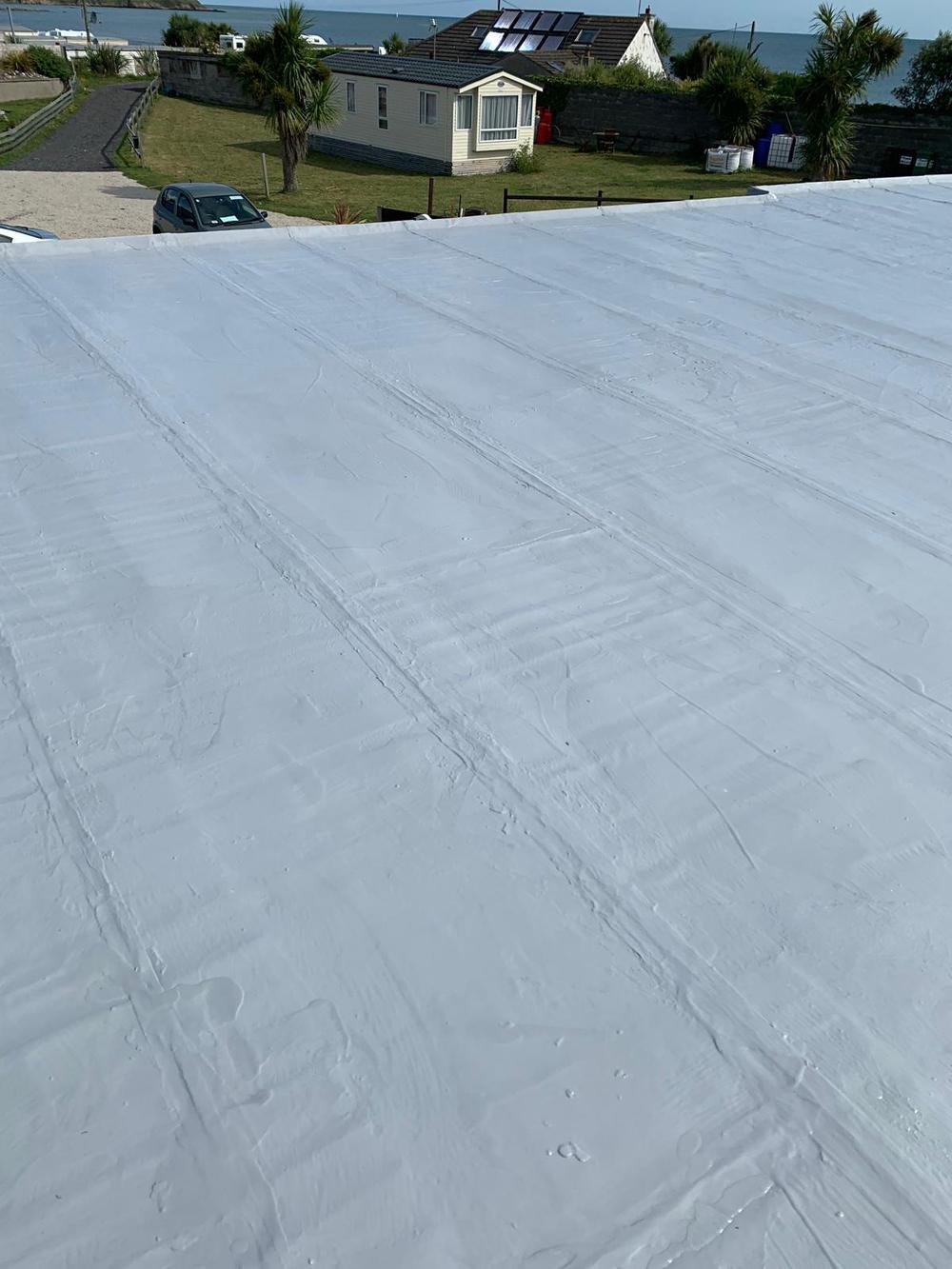
Roof waterproofing is equally essential, as it shields one of the most at-risk areas of a house from leaks and water damage. Techniques include using waterproof membranes or coatings, making sure that seams are closed, and regularly maintaining drainage systems to prevent ponding water. By putting resources in proper roof waterproofing measures, homeowners can prolong the lifespan of their roofing materials and prevent costly repairs caused by water infiltration.
Cost and Benefits of Waterproofing
Sealing against water can initially seem like a significant cost for homeowners, but comprehending its long-term benefits is essential. The expense of properly waterproofing your home may differ depending on which areas you treat, the materials used, and whether you opt to go the DIY route or engage professionals. While upfront costs can vary from a a couple of hundred to many thousands dollars, many homeowners recognize that this cost can avert greater expenses related to water damage and mold remediation down the line.
In addition to the savings associated with preventing major repairs, waterproofing boosts the overall value of your home. A effectively waterproofed property is not as likely to suffer from structural damage, which means better assurance for homeowners and higher marketability when it comes time to sell. Additionally, waterproofing can boost energy efficiency in your home, as it reduces moisture intrusion, helping to maintain a pleasant indoor climate and cut energy costs over time.
Lastly, effective waterproofing contributes to improved living conditions. By hindering dampness and mold growth, homeowners minimize health risks relating to poor air quality and respiratory issues. Financing waterproofing not only protects your property and saves you money but also encourages a safe and comfortable environment for you and your family.
Determining the Right Waterproof Solutions
In terms of waterproofing your home, deciding on the best methods is crucial for providing long-term safeguarding against water injury. Begin by identifying the specific areas that demand attention, including basements, roofs, or outdoor structures. Every space may demand distinct techniques and materials, so it's important to understand the unique requirements of each space. Evaluate factors such as your local climate, soil type, and the existing condition of your property to make educated decisions.
Look into various waterproofing products and methods available. There are both DIY and professional options, each with their respective advantages and limitations. For wet basement Toronto , while DIY products can save money, they may not provide the same level of protection as professional systems, notably for intricate structures like foundations or commercial buildings. Make sure to compare options, read reviews, and consult professionals when necessary to ensure you are deciding on the optimal solutions for your needs.
In conclusion, don't forget the necessity of working with a reputable waterproofing contractor if you decide to opt the professional route. A skilled expert will not only help you select the appropriate products but will also confirm proper installation, which is essential for effectiveness. Ask for quotes, check references, and ensure the contractor has experience in the specific type of waterproofing you need. By making informed choices and committing to quality solutions, you can protect your property and save significantly on future repairs.