

While we turn into the horizon, the significance of waterproofing technology continues to grow, especially in the face of shifting climate conditions and rising rainfall. Homeowners and builders alike are growing aware of the critical role that proper waterproofing holds in shielding their properties from moisture issues. It is not just about maintaining spaces dried; it is about protecting the strength of buildings, improving energy savings, and fostering overall well-being in living and commercial environments.
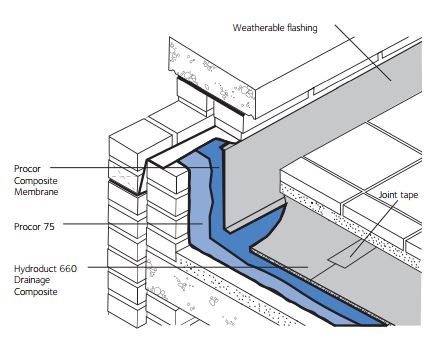
In this extensive exploration of waterproofing techniques, we will delve into crucial topics such as the need of waterproofing for all home and structure, the financial benefits of prevention, and common fallacies that need clarifying. Additionally, we will provide insights into the differences between interior and exterior solutions, the importance of waterproofing in different areas like cellars, roofs, and restrooms, and tips on how to pick the right products and service providers. Whether you are a property owner tackling DIY projects or a commercial real estate manager seeking assistance, this guide will arm you with the information you seek to make wise decisions about waterproofing methods.
Essential Waterproofing Techniques
One of the most crucial techniques in waterproofing is the installation of barriers. This entails creating a defensive layer that stops moisture from penetrating surfaces such as walls, overheads, and substructures. Materials such as waterproof membranes and coatings are commonly used in both domestic and industrial applications. These barriers are particularly vital in areas susceptible to significant rainfall, ensuring that water does not cause construction damage or foster mold growth.
Another efficient method is the use of water management. https://postheaven.net/secondheight1/common-moisture-control-errors-plus-methods-to-avoid-them redirects water away from susceptible areas, mitigating the risks associated with flooding and water build-up. Trench drains, pumping systems, and downspouts are fundamental tools in managing water flow. By thoughtfully placing drainage systems, homeowners can protect below-ground areas and foundations, ultimately protecting the integrity of their property.
Lastly, routine maintenance and inspections play a key role in effective waterproofing. Consistently checking for gaps, gaps, and signs of water damage can help detect issues before they intensify. This preventive approach not only saves money on costly repairs but also extends the life of waterproofing systems. Remaining vigilant and maintaining all waterproofing measures is crucial for any dwelling or building to ensure long-term protection against water damage.
Financial Analysis Analysis of Waterproofing Solutions
Embracing waterproofing provides significant long-term savings, making it a wise option for householders and building supervisors alike. By recognizing and addressing potential water issues early, you can avoid steep repairs that arise from structural deterioration, mold treatment, or various water-related problems. The investment of putting in place waterproofing measures, be it in the basement, roof, or exterior walls, is minimal compared to the likelihood of financial burden of major damage and the associated repair costs.
Beyond just repairs, waterproofing further boost the worth of your property. A well-maintained and waterproofed home is more desirable to customers and renters, resulting in greater resale or rental prices. Additionally, waterproofing lessens the likelihood of moisture-related issues that can degrade your property's integrity over time, guaranteeing it remains a stable and alluring investment. This aspect is particularly important in regions that experience heavy rainfall or flooding, where waterproofing is deemed even more essential.
Moreover, waterproofing boosts better energy efficiency within your home or building. Properly waterproofed spaces aid in avoiding drafts, cut down on the workload on heating and cooling systems, and decrease utility bills. This energy efficiency, alongside the avoidance of costly repairs, enhances the overall value of waterproofing investments. Ultimately, the benefits of waterproofing extend mere protection against water damage, showcasing its value as a versatile investment for any property owner.
Selecting the Appropriate Waterproofing Solutions
Choosing the appropriate waterproofing solutions for your house or building is crucial to providing lasting protection against water damage. Commence by evaluating the specific requirements of your home. Various areas may necessitate different methods; for instance, basements typically need a combination of interior and exterior waterproofing, while roof areas may benefit more from high-quality coatings. Take into account elements such as weather conditions, building materials, and the background of moisture problems in your area when determining the best method.
It is important to weigh DIY options against contractor services. Though some residents may opt to handle smaller waterproofing projects themselves, larger projects or those that necessitate specialized knowledge could be best managed by professionals. Investigate the pros and cons of all option, including costs, efficacy, and the time involved. Engaging a licensed waterproofing contractor can guarantee that the job is executed correctly and that you avoid frequent issues that may occur from improper work.
Ultimately, emphasize quality over cost when selecting materials. Investing in high-quality waterproofing solutions can safeguard you substantial money in maintenance down the line. Search for coatings and membranes that have proven efficacy in your specific conditions and that come with solid warranties. Keep in mind that the proper waterproofing option not only defends your home but also improves its value and energy efficiency, making your investment well worth it.