

Going through a flood can be catastrophic, resulting in not only physical damage but also emotional stress. Once the waters recede, many property owners and landlords are often confused what to do afterwards. One of the most crucial steps in the rehabilitation process is waterproofing. Implementing this measure not only defends your home from future water intrusion but also helps to safeguard your asset and ensures the well-being of your family.
Waterproofing is necessary for every home and building, as it functions as a barrier against moisture that can lead to mold, mildew, and physical damage. Grasping the multiple aspects of waterproofing can reduce your costs thousands in repairs down the line. Whether you are contending with a basement that needs safeguarding or a roof that requires attention, understanding how to effectively waterproof your property is essential to avoiding future issues. In this guide, we will explore the importance of waterproofing, the signs that show your property needs it, and the best practices for maintaining your space dry and safe.
The Importance of Waterproofing
Waterproofing is a vital aspect of protecting the integrity of houses and buildings. It serves as a protective barrier against water intrusion, which can lead to major damage over time. Without appropriate waterproofing measures, buildings are at risk of suffering from water leaks, mold problems, and foundation issues. These problems can jeopardize a property's integrity and significantly decrease its market value. Therefore, prioritizing waterproofing should be a primary focus for property owners and contractors alike.
Another essential reason, financial benefits waterproofing offers is important. Repairing water damage can be exceptionally costly, often running into thousands of currency. By adopting robust waterproofing solutions from the start, property owners can avoid expensive repairs and renovations down the line. This forward-thinking strategy not only defends the structure but also helps with budgeting and long-term financial planning.
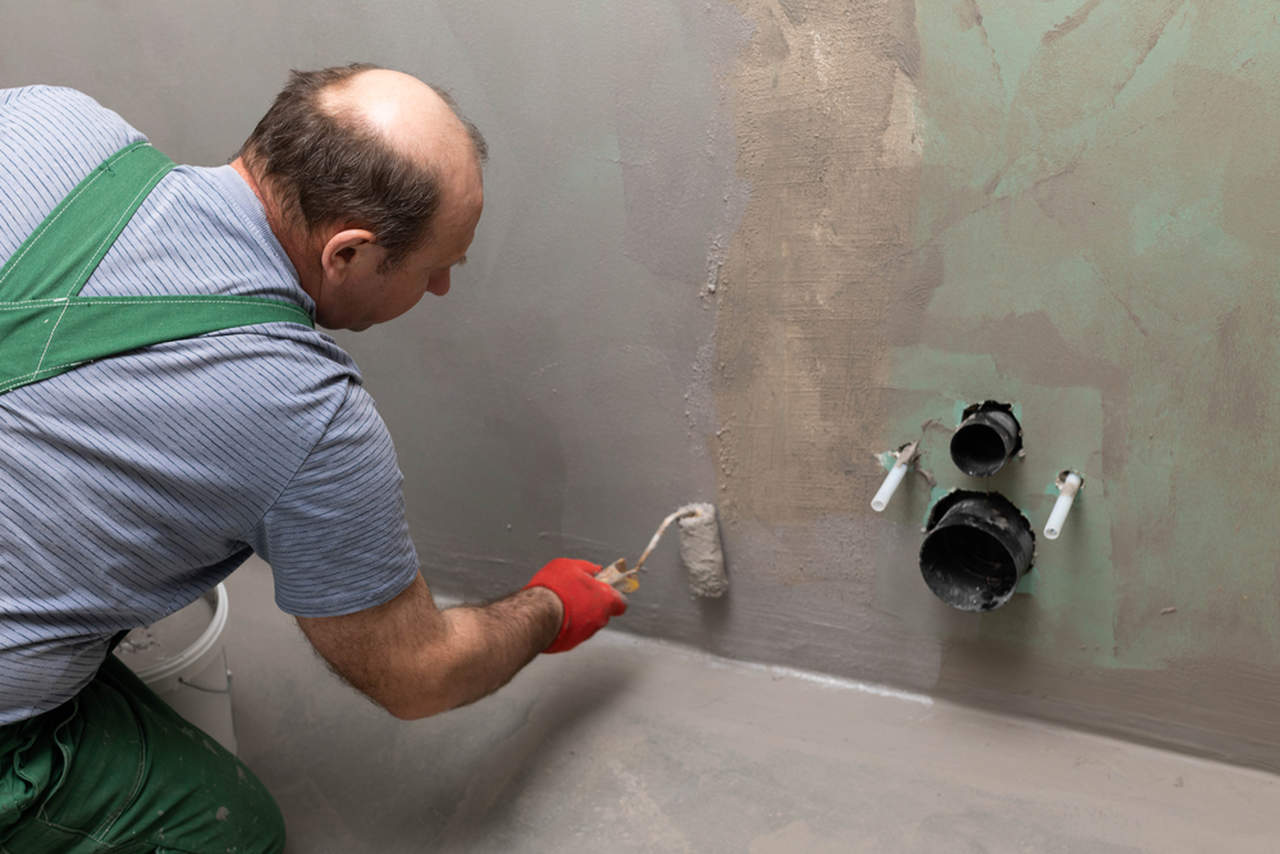
Moreover, waterproofing contributes to the overall livability and hygiene of the living environment. High humidity issues often lead to unpleasant odors and can create situations favorable for mold infestations, which pose health risks. A well-waterproofed home ensures superior indoor air quality and enhances energy efficiency by preventing unnecessary dampness from impacting insulation and heating systems. In essence, waterproofing is not just about protecting your property; it directly affects the quality of life for the inhabitants.
Frequent Water-proofing Techniques
A common widely adopted waterproofing methods is the application of wet waterproofing membranes. These membranes are typically made from bitumen or polyurethane and can be applied to multiple surfaces including roofs, walls, and foundations. Upon application, they produce a continuous barrier that successfully prevents water infiltration. Liquid membranes can be used for both recent constructions and in the case of renovating older structures, making them a adaptable choice for waterproofing.
Another popular approach is the use of sheet membranes. Such pre-manufactured sheets are typically made from materials like rubberized asphalt or polyethylene. They are applied over surfaces in a method that overlaps joints, providing continuous protection against water penetration. Sheet membranes are particularly effective for waterproofing subsurface applications, such as basement walls, and are preferred for their durability and ease of installation. This method is vital in protecting structures from groundwater and hydrostatic pressure.
For areas that are prone to moisture, such as bathrooms and kitchens, waterproof coatings and paints serve as an effective solution. Such coatings are designed to create a waterproof barrier on surfaces, preventing moisture from seeping through. They can be applied to walls, floors, and even ceilings in wet areas. Furthermore, specialized waterproofing products are now available that are designed to resist mold and mildew, making them ideal for settings where water exposure is consistent.
Choosing the Best Waterproofing Methods
Choosing the appropriate waterproofing option for your home is essential to guarantee effective defense against water damage. The first step is to evaluate your particular needs, considering factors like the site of the structure, the degree of moisture exposure, and previous water damage events. For example, basements may need a different approach in contrast to rooftops or restrooms. Understanding these elements will lead you on the most appropriate waterproofing techniques and solutions.
Consider the different types of waterproofing offered, including interior and exterior solutions. Interior waterproofing is typically less complicated and cost-effective, concentrating on sealing leaks and hindering moisture intrusion within the building. However, exterior waterproofing may be necessary for long-term protection, notably in areas susceptible to flooding. It's crucial to evaluate the advantages of each option and pick one that matches with your property’s specific challenges.
Ultimately, when in doubt, seeking advice from professionals can be a helpful step. Skilled contractors can assess your case, offer customized recommendations, and ensure the selected waterproofing solution is applied correctly. follow this link can aid you avoid common mistakes and ensure that your spending in waterproofing produces lasting protection and peace of mind.