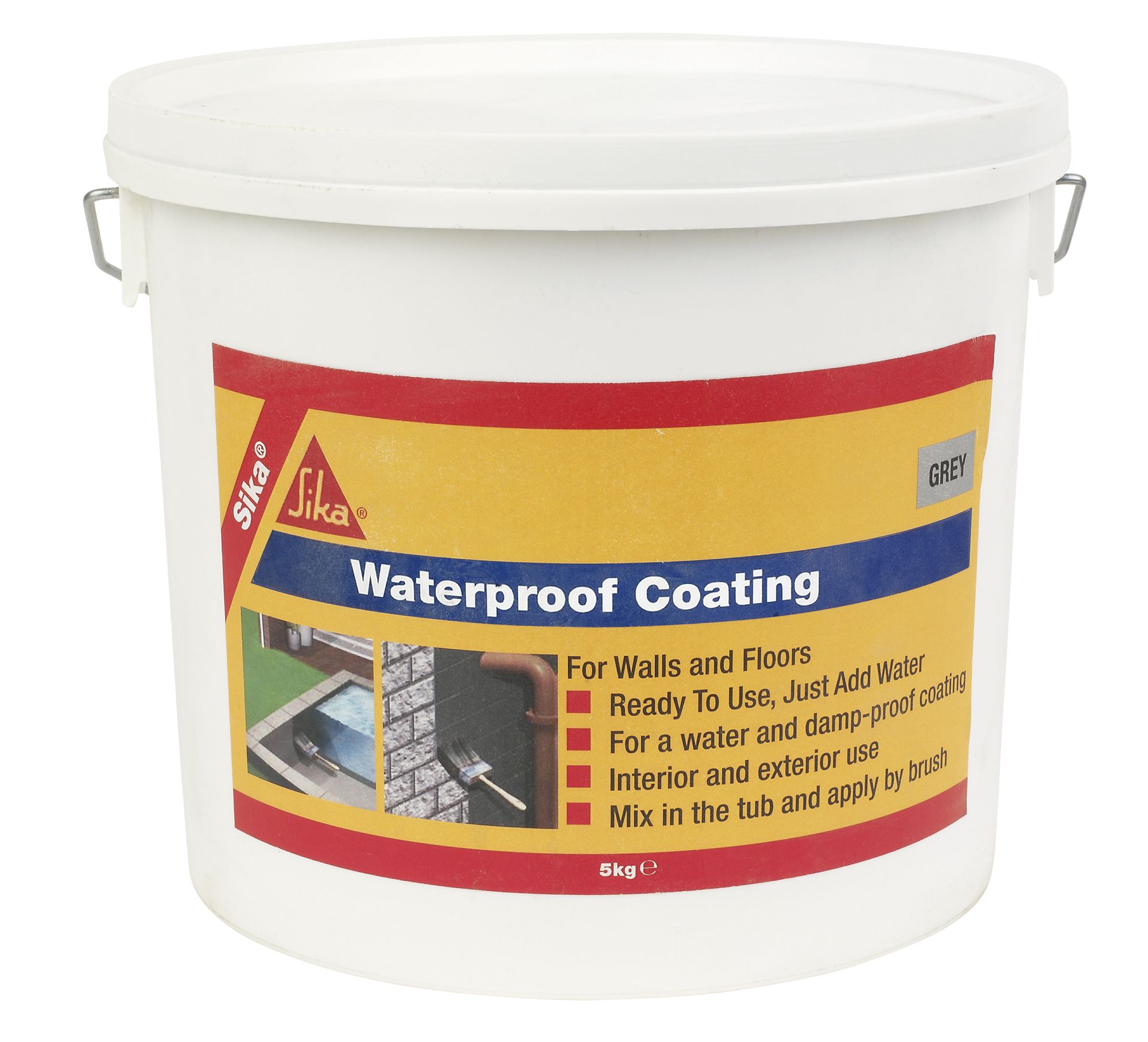
Waterproofing is a crucial aspect of house maintenance that often gets overlooked until it’s too late to prevent. Many homeowners think that as long as their roofs are intact and their basements are dry, they are protected from water damage. However, the truth is that water can seep into the unforeseen areas, leading to costly repairs and health hazards stemming from mold and mildew. Comprehending the significance of waterproofing for every home and building is necessary for protecting your assets and ensuring a healthy place for your family.
In this ultimate guide to waterproofing, we will examine what you must know to protect your property from water damage. From the clues that indicate your home may need waterproofing to the multiple methods available, we will share insights into how waterproofing can protect you thousands in repairs. Whether you’re considering DIY options or wanting to hire professionals, this detailed resource will help you make informed decisions and debunk common myths about waterproofing. Come along as we dive into the realm of waterproofing and learn how to keep your home safe, dry, and free of mold and mildew.
Why Sealing Against Water
Waterproofing is a key part of home maintenance that commonly gets neglected. It serves as a protective measure against different forms of water damage, which can cause significant foundation problems and costly repairs. When water enters a structure, it can compromise foundations, damage walls, and promote the growth of mold and mildew. By purchasing waterproofing solutions, homeowners can protect their properties from these dangers and ensure a healthy living environment.
One of the key reasons waterproofing is essential is its role in protecting property value. A home that is devoid of water damage is more appealing to potential buyers and can fetch a higher price in the real estate market. On the other hand, a home with water concerns can deter buyers and result in a reduced sale price. Frequently waterproofing various areas of a property, such as cellars, roofs, and bathrooms, can increase the longevity and overall appeal of the home.
Furthermore, waterproofing improves energy efficiency. When buildings are properly sealed against water intrusion, they are better insulated, which can lead to lower heating and cooling costs. This not only reduces homeowners money on utility bills but also promotes sustainable living methods. Overall, waterproofing is not just about avoiding damage; it is an asset in the property’s future, its value, and its effectiveness.
DIY vs. Expert Waterproofing
When considering waterproofing options for your home, one of the first decisions you'll face is whether to take on the project yourself or hire a specialist. DIY waterproofing can be an attractive choice for homeowners looking to save money and manage of the process. Basic tasks like putting on waterproof coatings to walls or sealing small cracks can often be done with minimal tools and materials. Many homeowners find reward in saving costs while learning valuable skills through hands-on work.
However, there are several key aspects to keep in mind when undertaking do-it-yourself waterproofing projects. For instance, improper application of sealing products may lead to costly mistakes or insufficient protection against water damage. Additionally, certain waterproofing jobs, especially in basements or foundations, may require specialized knowledge and tools that the typical homeowner might not have. This can lead to unexpected challenges that could have been easily managed by a experienced professional.
On the other hand, employing a professional waterproofing contractor brings expertise and skill that can ensure thorough protection for your home. sump pump installation can quickly identify trouble spots and suggest tailored options that align with your specific needs. While the initial costs may be more expensive, their work often saves you money in the future by preventing serious water damage and the associated repair costs. Ultimately, your choice between DIY and expert waterproofing should take into account your skills, the difficulty of the project, and your budget.
Signs Your Property Needs Waterproofing
A most critical indicators that a property needs waterproofing is the appearance of dampness on walls or floors. If you see wet patches, especially in areas like basements or crawl spaces, this indicates that moisture is seeping into your home. Additionally, flaking paint or wallpaper can also indicate moisture problems. It’s crucial to address these problems promptly to prevent additional damage and mold growth, which can be harmful to your health.
Another indicator is the smell of mildew or dampness in your home. If some areas consistently have a damp odor, it suggests that water is stuck in those spaces, creating an ideal environment for mold and bacteria to thrive. Ignoring these signs can lead to a more extensive problem and costly repairs down the line. Frequent checking for these odors can keep your living environment safe and free from potential health hazards.
In conclusion, if you encounter frequent flooding or water accumulation around your property, it's a clear sign that waterproofing is required. Even minor water intrusion during intense rainstorms can build up over time, leading to significant damage to your foundation and structure. External installations and landscaping that show signs of erosion or deterioration from water exposure also highlight the need for effective waterproofing solutions. Taking action when you initially notice these signs can save you a lot in repairs and protect your investment in your home.