

Rugs are often one of the most significant investments in our homes, adding warmth and comfort while enhancing the overall look. However, ensuring Nottingham lock repair remain clean can be a task, particularly with the constant use they endure. Comprehending the science behind carpet cleaning is essential for maintaining spotless floors and ensuring the lifespan of your carpets. In this guide, we will explore the different methods, tips, and tricks that can help you achieve a more hygienic, cleaner home environment.
From determining how frequently to clean your carpets to comparing the pros and cons of DIY and professional cleaning, we will look into the best strategies to keep your floors looking their optimal. With insider knowledge on common cleaning mistakes, effective stain elimination strategies, and environmentally-friendly solutions, this comprehensive approach will arm you with the knowledge needed to manage carpet maintenance and create a clean living space for you and your family. Whether you're dealing with persistent pet odors or anticipating the holiday seasons, we've got you covered with hands-on tips and solutions.
Specialist Advice on Rug Cleaning Intervals
Establishing how often to maintain your rugs is crucial for preserving their appearance and prolonging their durability. Experts advise cleaning busy areas at least 6 to 12 months, as these locations gather dirt and grime more quickly than others. In homes with children, animals, or individuals with allergies, an increased frequency of cleaning may be necessary to maintain a safe indoor space. Marks, odors, and visible dirt can be indicators that it’s time to give your floor coverings extra attention.
In parallel to regular cleaning, consider seasonal deep cleans. The spring season is an optimal time to tackle the effects of winter conditions and allergens that have settled into your carpets over the winter months. Likewise, preparing for summer can involve a thorough clean to remove dust and debris that accumulate when openings are ajar. Routine cleaning helps to keep carpets looking new and can prevent the requirement for costlier cleaning methods down the line.
For commercial spaces, the cleaning frequency might vary based on the volume of customers. High-traffic areas in lodges or offices should be cleaned every 3 months or even once a month, depending on footfall. It’s vital to develop a cleaning routine tailored to the individual needs of your home or business to keep floor coverings looking their finest and to enhance the overall air condition of the environment.
Evaluating Carpet Maintenance Techniques
When it comes to carpet cleaning, there exist several techniques to look into, each with its own benefits and drawbacks. The two most popular methods are steam cleaning and dry cleaning. https://winkler-harper.mdwrite.net/the-science-behind-carpet-care-how-it-works , or hot water extraction, uses hot water and a cleaning solution that goes deep into the carpet fibers to dissolve dirt and grime, followed by extracting the mixture out. This method is recognized for its effectiveness in removing allergens, bacteria, and stains, making it a preferred choice for deep cleaning sessions, especially in households with pets or allergy sufferers.
On the other hand, dry cleaning makes use of specialized cleaning solvents and little moisture to clean carpets. This method is quicker than steam cleaning since carpets are dried more quickly, allowing for prompt use. It is best for maintenance cleaning and is often recommended for delicate carpets that may be harmed by water. While it may not provide the same level of deep cleaning as steam cleaning, dry cleaning efficiently removes surface dirt and can boost the appearance of carpets.
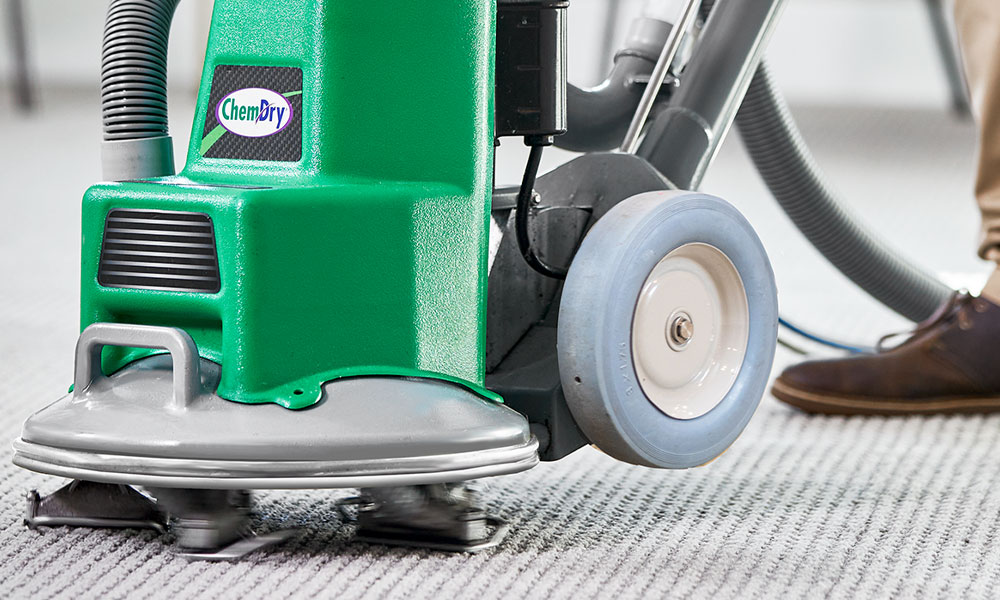
Ultimately, the choice between steam and dry cleaning hinges on your individual needs and the condition of your carpets. For a comprehensive clean, especially if confronted by tough stains or heavy foot traffic, steam cleaning is likely the best option. However, for routine maintenance or when rapid results are needed, dry cleaning is a suitable alternative. Take into account your carpet type, cleaning frequency, and any particular challenges when deciding which method suits your home best.
Frequent Mistakes to Avoid
One typical mistake many people make is holding off too long between cleanings. Rugs can gather dirt, dust, and allergens over time, making it crucial to establish a steady maintenance schedule. Neglecting this can lead to more persistent stains and odors that become increasingly challenging to remove. Aim to clean your rugs every six to twelve months, based on foot traffic and lifestyle factors.
Another common error is using the inappropriate cleaning products or methods. Great post to read are created equal, and using strong chemicals can damage fibers or lead to fading. Always check your rug's care instructions and consider choosing for natural or non-toxic solutions to protect both your rugs and indoor air quality. Additionally, incorrect handling of stain removal can worsen the stain further instead of lifting it.
Lastly, many ignore the significance of thorough vacuuming before any maintenance procedure. Failing to remove loose debris and dirt can hinder the success of the cleaning process. Take the time to vacuum your rugs thoroughly to ensure that the cleaning solution can reach deeper into the fibers. This step will make a notable difference in the results you achieve after the process.