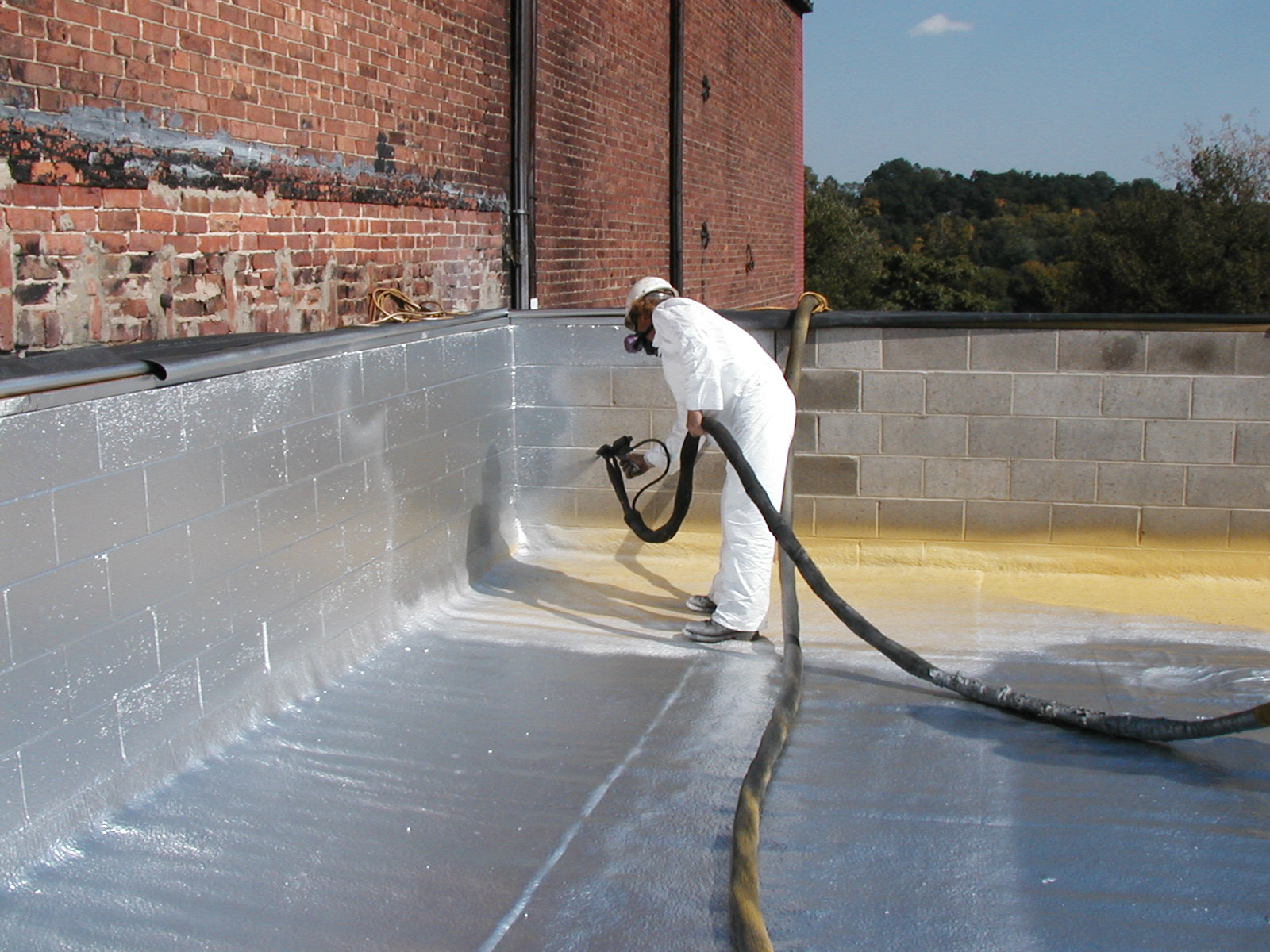
Water damage can spell disaster for any home or building, leading to expensive fixes and potential health risks. This makes waterproofing an crucial aspect of property maintenance that all property owners should take seriously. Unfortunately, many people overlook key aspects of waterproofing or fall victim to common misconceptions, which can exacerbate issues instead of mitigating them. Understanding the importance of proper waterproofing techniques is vital for protecting your investment and guaranteeing the safety of your loved ones.
In this article, we will explore frequent errors in waterproofing that property owners often make and provide insights on how to avoid them. By highlighting the importance of waterproofing in areas such as basements, roofs, bathrooms, and outdoor structures, we aim to equip you with the knowledge needed to protect your property from water damage. From understanding when expert help is required to debunking waterproofing myths, we will lead you through what you should to know for effective waterproofing solutions.
Essential Moisture-Proofing Insights
Moisture-proofing is a essential aspect of maintaining the stability of any home or property. Understanding why moisture-proofing is necessary for all edifice can help property owners and building supervisors substantial effort and costs by avoiding water-related harm. From wet basement Toronto to roofs, efficient waterproofing can shield against leaks and moisture infiltration, which, if ignored, could result in fungus growth, rot, and high maintenance. By spending in quality waterproofing methods, you can make certain your building remains a secure and livable environment.
One common fallacy is that waterproofing is only necessary in areas prone to intense downpours. In reality, any buildings require some form of waterproofing to shield against a multitude of water-related problems, including wetness, wet air, and unexpected leaks during heavy rains. Moisture-proofing myths exposed reveal that even minor dampness problems can escalate into significant complications if not addressed. Knowledge of these hazards can motivate forward-thinking steps before it becomes too challenging to respond.
Recognizing signs that your home needs waterproofing is essential in preventing more serious problems. Householders should look for significant clues such as peeling paint, moisture in basements, and damp odors, which may imply damp ingress. By recognizing these signs early on and learning how to waterproof your cellar and other susceptible areas efficiently, you can protect your asset and preserve your home's value over time.
Practical Waterproof Strategies
One of the most efficient waterproofing strategies is to ensure proper water management around your home. This entails grading the landscape away from the base and placing gutters and downspouts that guide rainwater away from the building. Effective drainage stops water from gathering near your foundation, which can lead to leaks and other water damage. Regular upkeep of these systems is crucial to avoid blockages that can cause water to leak and seep into the structure.
Another key method is to pick the best waterproofing materials for your specific requirements. Whether you're considering interior or exterior waterproofing, it's crucial to select top-notch products designed for the spaces you're dealing in. For instance, basement waterproofing may necessitate the use of specialized membranes and sealants, while roof waterproofing might gain from coatings that tolerate UV radiation and temperature fluctuations. Investigating and choosing the most suitable waterproofing materials can greatly impact the longevity and effectiveness of the system.
Lastly, think about consulting experts who have expertise in waterproofing to ensure a proper process. While DIY solutions can be tempting, professional evaluations can identify latent issues that may not be apparent. Experts can offer tailored recommendations and ensure proper execution of techniques and materials. Allocating resources in professional services can be a smart move to protect your home from costly water damage in the time ahead.
Common Errors and Resolutions
One of the most frequent errors in waterproofing is neglecting adequate surface readiness. Many homeowners rush the process, applying waterproof coatings over unclean or uneven surfaces. This can lead to sticking issues, resulting in flaking and ineffective waterproofing. To avoid this, always spend sufficient time cleaning and fixing the surface before putting on any products. A clean and even surface enhances the effectiveness of the waterproofing material.
Another frequent mistake is overestimating the capabilities of DIY methods. While there are The original source on the market for home use, they often require particular application methods to achieve the optimal results. Homeowners occasionally apply too thin a layer or fail to follow the manufacturer's instructions. To avoid this problem, consider seeking advice from professionals for complex areas like basements or roofs, ensuring the job is done correctly and that you use the right products for your particular needs.
Lastly, ignoring signs of water damage until it becomes severe is a major oversight. Homeowners often delay too long to address noticeable leaks or moisture issues, leading to costly repairs down the line. Regular inspections and maintenance can help catch potential problems early. Establish a seasonal plan to check for leaks, cracks, and signs of mold to keep your property safe and minimize long-term detriment.