

Historic houses are frequently cherished for their distinctive architectural features and layered histories, but they also come with distinct difficulties, notably when it comes to moisture control. As these homes age, their elements and structures can turn susceptible to water damage, causing costly maintenance and likely health hazards such as fungus and dampness. Grasping the necessity of moisture protection is vital not only for maintaining the beauty and integrity of these historic jewels but also for protecting the investment that property owners have made.
In this post, we will investigate the multiple moisture control challenges faced by old properties and delve into tactics to lessen moisture issues. From noticing signs that your property may need waterproofing to assessing the pros and cons of DIY solutions versus expert services, we strive to provide helpful guidance for property owners. By addressing the specific challenges related to waterproofing in historic homes, we aspire to encourage you to make proactive decisions in protecting your home from the elements.
The Significance of Waterproofing in Historic Dwellings
Waterproofing is vital for historic homes to protect their architectural integrity and avert water damage. These properties often have distinct features, such as traditional elements and craftsmanship, which can be compromised by moisture infiltration. https://click4r.com/posts/g/19936582/top-five-sealant-items-currently-on-sector can deteriorate the foundation, lead to mold growth, and cause lasting destruction to walls, basements, and ceilings. Effective waterproofing ensures that these vintage properties remain secure and comfortable while preserving their cultural significance.
Overlooking waterproofing in historic homes can lead to substantial expenditures down the line. When moisture penetrates into walls or foundations, it can create a series of issues, including wood rot and peeling paint. Over time, these small problems can intensify, leading to expensive interventions or even the destruction of classic aspects. By utilizing proper waterproofing methods, residents can avoid future calamities and conserve significant amounts in restoration costs, ensuring their homes stand the test of time.
In addition to safeguarding against moisture issues, waterproofing can boost the overall energy efficiency of historic homes. By closing gaps and preventing moisture intrusion, residents can maintain a comfortable indoor climate, reducing reliance on climate control. This not only contributes to a more enjoyable living environment but also is consistent with eco-friendly principles, making heritage properties adaptable and eco-friendly.
Common Waterproofing Difficulties for Historic Structures
Older structures often face specific waterproofing challenges that require careful consideration and expertise. One significant issue is the presence of outdated materials and construction techniques that may not meet modern waterproofing standards. Many antique homes were built using absorbent materials such as stone, which can absorb moisture and allow water infiltration. Achieving effective waterproofing in these cases often involves customized methods designed to preserve the building's integrity while enhancing its resistance to water damage.
Another challenge is connected to shifting and movement that aged buildings experience over time. Foundation issues, such as fissures and gaps, can develop, compromising the building's waterproofing solutions. These vulnerabilities can lead to water seeping into crawl spaces, resulting in mold growth and structural damage. Addressing these issues requires a blend of proper foundation repair techniques and effective waterproofing measures to create a strong barrier against moisture.
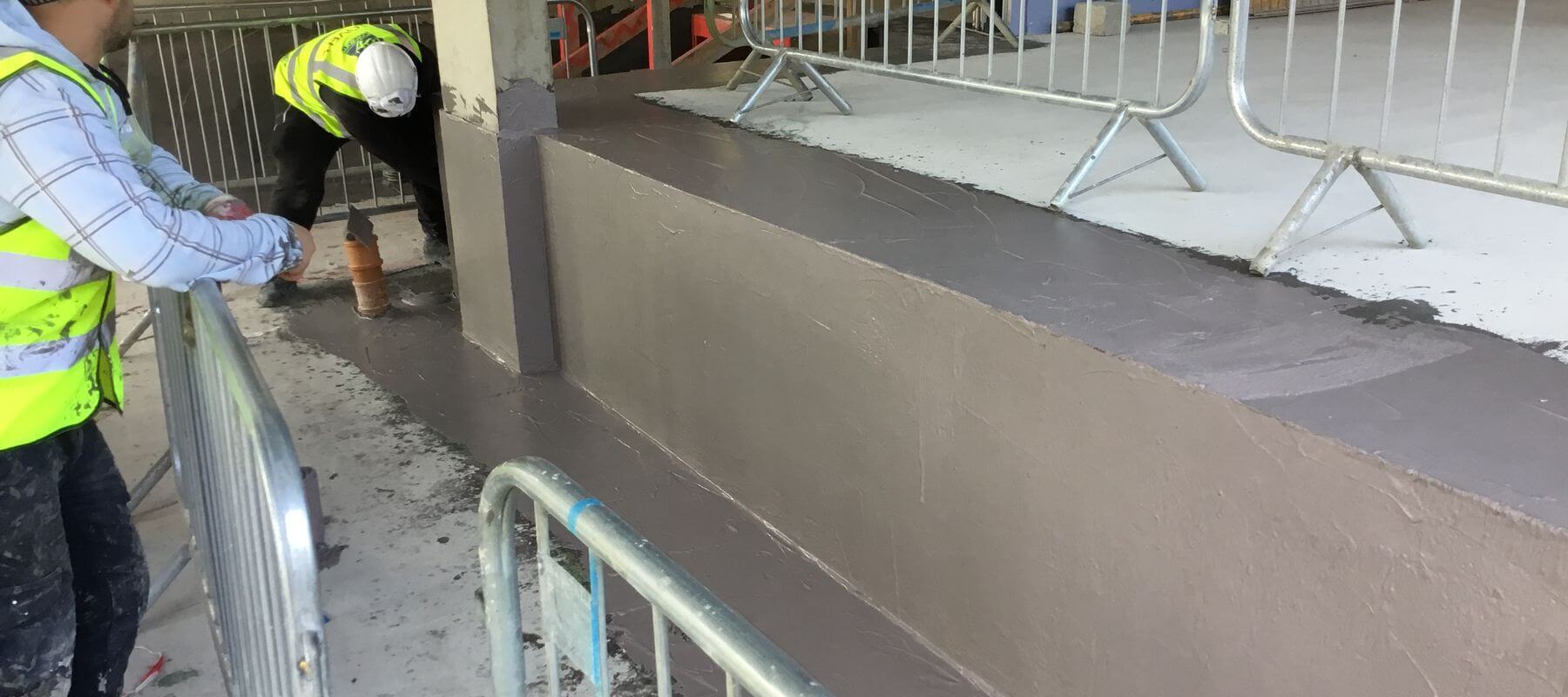
Furthermore, the design preservation of traditional homes complicates the waterproofing process. Homeowners often wish to maintain the authentic appearance of their properties, which can limit the types of waterproofing solutions that can be applied. Balancing the need for effective waterproofing with the desire to preserve historic features requires trained professionals who understand both the technical aspects of waterproofing and the historical significance of the building. This challenge makes it crucial for homeowners to carefully choose waterproofing methods that align with their preservation goals.
Valuable Strategies for Preserving Antique Homes
Maintaining historic homes requires a thoughtful approach to waterproofing that honors their architectural integrity. Tailored materials and methods should be used to guarantee that the original features are not altered during the waterproofing methodology. For instance, breathable membranes can be utilized to let moisture trapped within the walls to release, avoiding damage while keeping the home waterproofed. This method stops the build-up of moisture that can lead to mold and architectural issues without trapping vapor inside the walls.
In also to breathable membranes, time-honored masonry techniques can play a important role in waterproofing historic structures. Lime-based mortars and plasters are suitable for older homes as they provide resilience and breathability that modern materials often fail to deliver. These materials can help to wick moisture away from the structure while maintaining the aesthetic qualities that define historic architecture. This approach not only protects the building from water damage but also preserves its historical character.
Another effective strategy for stopping water damage in historic homes is to pay attention to proper drainage and landscaping. Ensuring that gutters and downspouts are functioning effectively can divert water away from the foundation, while landscaping features like swales and rain gardens can more manage water runoff. By integrating these methods with appropriate waterproofing techniques, homeowners can greatly enhance the resilience of historic properties against water damage, ensuring their preservation for future generations.